
Staring at a tight floor plan while trying to position a TV and a fireplace is an elite form of spatial geometry puzzle. It feels like trying to fit a square peg into a round hole, especially when your space has its own ideas about traffic flow. If you throw a massive overstuffed couch directly opposite the hearth and lean a large television in a random corner, you do not build a comfortable living space. You build an accidental obstacle course. To achieve a functional layout rather than a chaotic furniture storage unit, you need a strategy rooted in clean dimensional math.
Let’s be completely honest for a second. Most interior design magazines are selling a total lie. They show you these pristine, cavernous showrooms with eight-foot couches floating in a void, completely ignoring real-world realities like wandering pets, messy kids, or front doors that slam open directly into your seating zone. Real life is cluttered. If you have a dog that has firmly claimed the left side of your sofa, or a room that feels more like a commercial bowling alley than a relaxation den, trying to balance a glowing hearth and a massive television screen can drive you crazy.
Standard small living room baselines average a tight 120 to 150 square feet. Think about a 10-foot by 12-foot or a 10-foot by 15-foot footprint. In spaces this compressed, every single inch dictates your physical comfort. Consider basic human shoulder width. The average adult requires a minimum of 24 inches of pure clearance just to walk through a path without brushing against a wall. For true architectural comfort and a home that doesn’t feel like a crowded elevator, you need 32 to 36 inches of completely unblocked space between your furniture edges.
The biggest design trap is treating your fireplace and your screen as two competing focal points on opposite sides of the room. If you are struggling to find the right balance between these focal points, check out our guide on the best wall art size over fireplace mantel to ensure your decor doesn’t overwhelm the space. This layout forces your eyes to leap back and forth. Worse, it fragments your layout and chops up your walking paths. This is a common issue when tackling a furniture arrangement for a small narrow living room with a fireplace. When square footage is tight, you cannot afford to slice the floor plan into separate zones. Instead, your floor layout strategy must rely on consolidating these two heavy-hitting features into a single, unified visual destination.
Before dragging a single piece of furniture across your floorboards, grab a tape measure. You need to calculate your clearance boundaries. A small room is an unforgiving environment where three inches can be the difference between an organic traffic pattern and a stubbed toe. By approaching your seating zones, architectural clearances, and piece selections through a rigorous mathematical lens, you can maximize your layout. Let us dive into the technical spatial rules that will make a tight room feel expansive, functional, and balanced.
The Focal Wall Dilemma: Analyzing Layout Configurations
Choosing how to position your media and your masonry dictates every other furniture decision in the room. Before picking a layout, study this comparative breakdown to see how each setup impacts your room’s spatial math:
| Layout Configuration | Best For | Spatial Efficiency | Main Advantage | Primary Compromise |
| The Stacked Setup (TV Over Mantel) | Ultra-narrow rooms, square footprints under 120 sq ft. | Maximum (Uses 0 sq ft of floor space) | Consolidates sightlines into one vertical axis. | Higher viewing angle; requires heat shields. |
| The Side-by-Side (Asymmetrical Wall) | Wide accent walls, long rooms over 16 ft wide. | High (Uses minimal wall depth) | Keeps screen at a perfect ergonomic eye level. | Requires careful visual balancing of weights. |
| The Diagonal Axis (Corner Hearth) | Angled corner fireplaces. | Moderate (Creates wedge-shaped gaps) | Minimizes direct glare from primary windows. | Harder to align large, rigid rectangular sofas. |
To see how these specific layout setups fit into a broader design plan for your entire home, you can review this comprehensive living room decorating guide to balance your color schemes, rug choices, and lighting layers.
Can You Put a TV and Fireplace on the Same Wall?
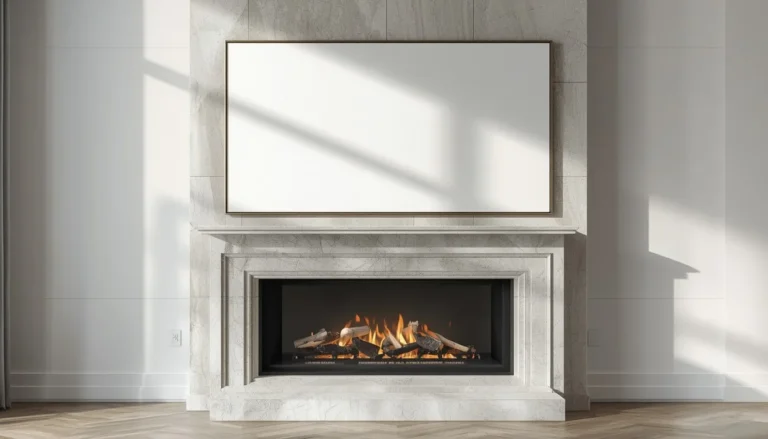
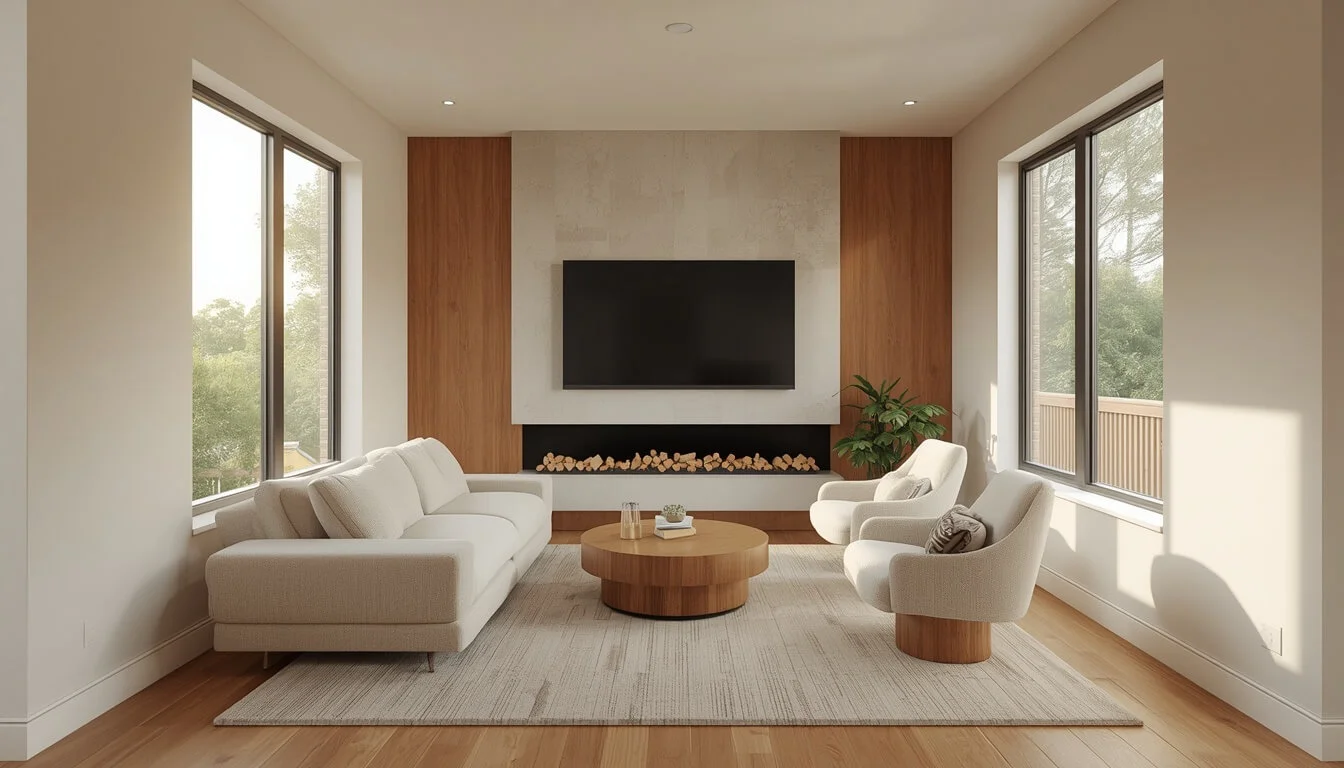
Yes, you can absolutely position a television and a fireplace on the same wall. Doing so is often the absolute best spatial choice for a small living room layout with TV and fireplace. When you anchor both media and fire on a single surface, you establish a primary focal zone. This consolidation frees up the remaining three walls for furniture placement and clear movement paths. However, achieving this balance requires proper planning to avoid overwhelming your sightlines.
Look at the underlying numbers before you dismiss this idea. Consolidating your focal points on a single wall reclaims up to 30% to 40% of usable floor space on the remaining three walls. Why? Because it completely eliminates competing visual arcs and conflicting seating clusters. You no longer need one couch facing east for the television and another facing north for the fire. National data shows fireplaces add up to 6% to 12% to a home’s overall value, meaning layouts must respect the hearth architecture without covering it up or making it unusable. You have to make them coexist.
+--------------------------------------------------------+
|                                                        |
|                 +--------------------+                 |
|                 |     TV Screen      |                 |
|                 +--------------------+                 |
|   ==================================================   | <--- Mantel Shield
|                                                        |
|                 +--------------------+                 |
|                 |  Fireplace Hearth  |                 |
|                 +--------------------+                 |
|                                                        |
+--------------------------------------------------------+
The Vertical Stack: Over the Mantel Clearance Mechanics
If you choose the vertical route, safety must come first. If you mount that screen directly over a high-heat zone without a strict 12-inch clearance mantel buffer, you aren’t just giving your guests neck strain—you are slowly roasting your motherboard. Let’s look at the actual physics of electronics failure. Standard television components are engineered to operate under ambient temperatures strictly below 122°F. Gas and wood fireplaces, on the other hand, easily radiate face temperatures between 200°F and 400°F.
To stop your screen from degrading, a minimum 12-inch mantel depth projecting out at least 6 inches past the face of the TV is mandatory. This deep barrier acts as a physical deflector, catching the rising convective heat loops and throwing them forward into the room instead of letting them bake the chassis of your display. Additionally, hanging the bottom edge of the frame 4 to 6 inches above the mantelpiece gives the air enough room to circulate. This structural calculation keeps your hardware safe while making sure your setup stays neat and compact.
The Asymmetrical Side-by-Side: Balancing Visual Weights
What if you hate the idea of looking up at a screen? If you have a slightly wider accent wall, an asymmetrical side-by-side configuration keeps your display at a perfect eye level. To pull this off without making the room look lopsided, you must use the rule of thirds. Divide your main accent wall into three equal vertical segments. The fireplace anchors one outer third, your media setup anchors the opposite outer third, and the center third remains open, neutral negative space. This empty middle zone acts as a visual buffer that prevents the wall from feeling overcrowded.
When the fireplace features heavy brick or stone masonry, you must balance that weight on the opposite side without introducing bulky, floor-hogging furniture. This is where floating TV shelf ideas for small spaces become your best tool. Installing a clean floating shelf exactly 18 to 24 inches off the finished floor provides a sturdy platform for media hubs while keeping the floor completely open underneath. This off-the-ground aesthetic lets light pass through, making the lower half of the room feel wider than it actually is.
Apartment Interventions: Slim Footprint Electric Alternatives
Renters and condo owners face a completely different set of rules. You cannot just tear down drywall, build out a massive chimney breast, or run complex ventilation shafts through a shared ceiling. Traditional masonry fireboxes consume an immense amount of real estate, requiring a physical structural depth of 18 to 24 inches. In an apartment, losing two linear feet of floor space along a wall can instantly make a room feel like a closet.
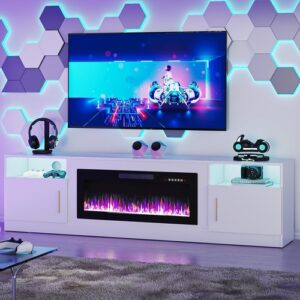
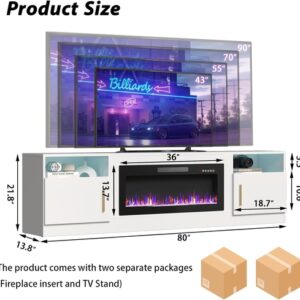
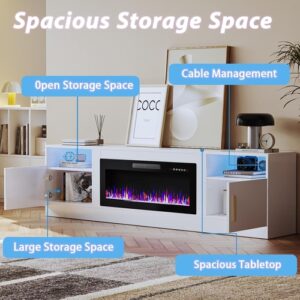
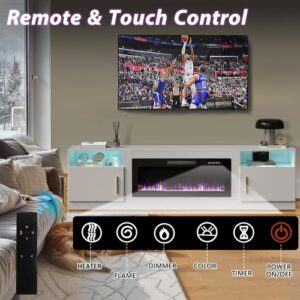
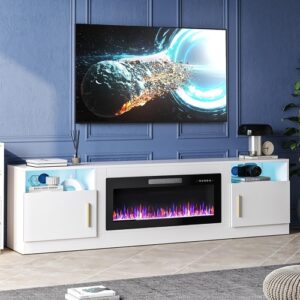
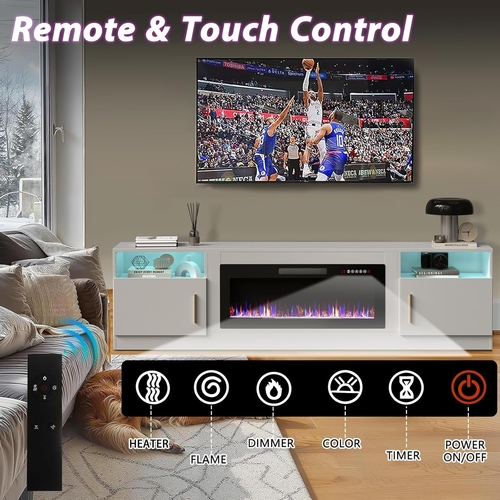
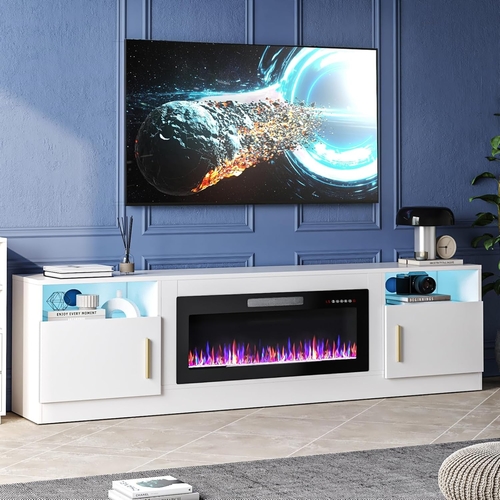
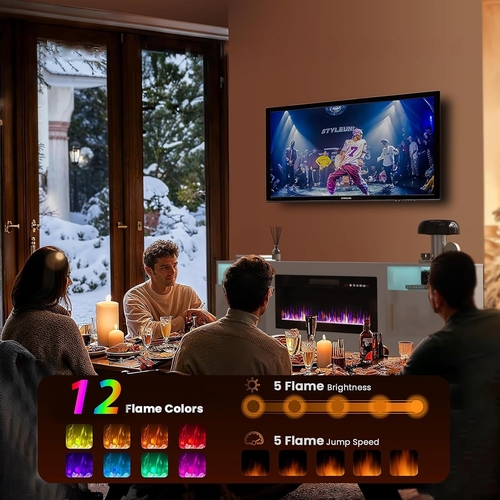
Modern electric fireplace inserts for apartments solve this problem by rewriting the dimensional requirements. These slim, ventless appliances require only 4 to 6 inches of wall depth, instantly saving you up to 1.5 linear feet of floor space across your layout. They run on standard 120-volt household outlets and pull roughly 1,500 watts on high heat. This output produces around 5,000 BTUs of localized supplemental warmth—more than enough to efficiently zone-heat spaces up to 400 square feet without generating any actual smoke, ash, or dangerous chassis heat.

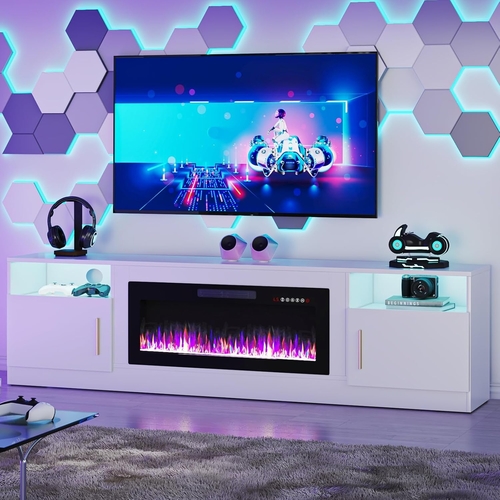
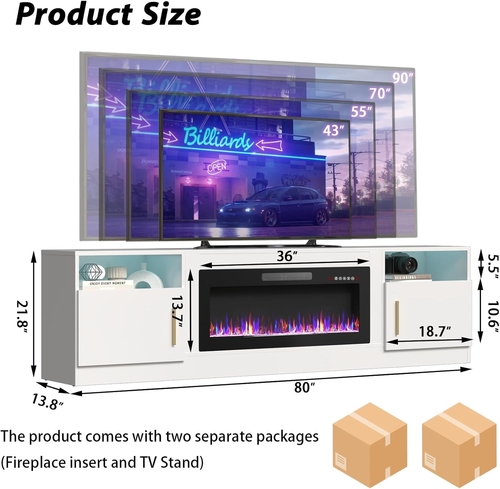
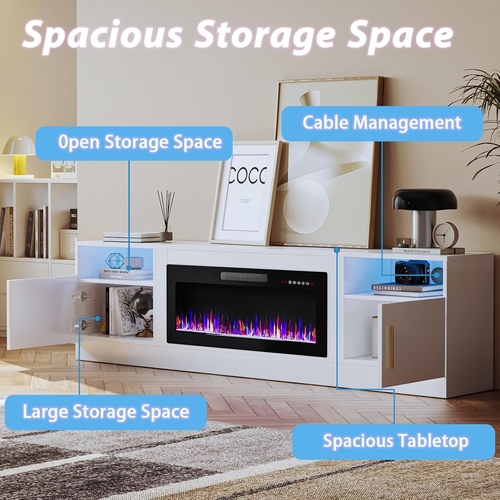
How High to Hang TV Over Mantel to Avoid Neck Strain
Mounting your screen above a hearth is an incredibly efficient use of vertical wall space, but it introduces an ergonomic nightmare if you do it wrong. Standard LED and LCD panels lose up to 30% of their color accuracy and contrast when viewed at a vertical off-axis angle greater than 15 degrees. More importantly, forcing your neck into a permanent 20-to-30-degree upward tilt for hours at a time will eventually send you straight to a physical therapist.
The human body operates best when your seated eye level rests exactly in line with the center of the screen. For the average adult sitting on a standard couch, this resting eye level sits exactly 36 to 42 inches above the finished floor. Because a traditional fireplace mantel typically stands at 50 to 55 inches high, your screen is naturally pushed up into the danger zone. If your architecture forces the base of the television to sit 60 inches or higher off the ground, you have to introduce a mechanical solution to fix the viewing geometry.
Ergonomic Sightline Cone:
+-------------------------------------------------------------+
|                                                             |
|                 [TV Mount Position]                         |
|                    \                                        |
|                     \  15° Maximum Off-Axis Angle           |
|                      \                                      |
|                       v                                     |
|                      (👁️ Seated Eye Level: 36"-42" High)    |
|                                                             |
+-------------------------------------------------------------+
Your first line of defense is a heavy-duty articulating tilt mount. By angling the display downward by 10 to 15 degrees, you align the screen plane directly with your natural line of sight. This small mechanical adjustment eliminates color wash and stops you from craning your chin upward. For an even cleaner solution, look into a specialized drop-down mantel mount. These counterbalanced gas-piston arms allow you to pull the entire television out and down directly over the firebox opening, lowering the screen by up to 24 inches during casual viewing sessions when the hearth is cold.
Furniture Arrangement for a Small Narrow Living Room with Fireplace
A long, skinny room with an architectural hearth on the side wall can easily start to feel like a commercial bowling alley if you push your seating flat against the perimeter walls. Shoving your couch flush against the drywall might feel like it opens up the center of the room, but it actually backfires. It highlights the narrow proportions, cuts off your conversation lines, and forces people to walk directly between your face and the television screen.
When dealing with a typical narrow layout—which often carries a highly restrictive 1:2 width-to-length ratio like 10 feet wide by 20 feet long—you must think about scaling your pieces down before you layout the room. Avoid standard 40-inch deep, overstuffed sofas that stick out into the center of the room. Small space parameters dictate a maximum sofa depth of 32 to 34 inches and an overall frame length capped at 72 to 80 inches. Keeping the footprint of your main couch compact ensures it won’t slice your layout in half.
Narrow Room Floating Layout Concept:
+-----------------------------------------------------------------+
| Doorway                                                         |
|   |                                                             |
|   v                                                             |
|  [=== Continuous Clear Walking Path: 36" Corridor ===]          |
|                                                                 |
|         +-----------------------+     +-------------------+     |
|         |   Low-Profile Sofa    |     | Swivel Chair (👁️) |     |
|         +-----------------------+     +-------------------+     |
|                     ^                           ^               |
|                     |                           |               |
|                     v                           v               |
|  =============================================================  |
|                   [Consolidated TV & Fireplace Wall]            |
+-----------------------------------------------------------------+
Instead of forcing your furniture to touch the walls, pull your sofa inward toward the center of the room to build a floating, intimate seating pocket. To maximize your seating capacity without blocking your walking corridors, bring in versatile swivel chairs for living room seating. Placed opposite or adjacent to your primary low profile sofa for small spaces, a pair of compact swivel chairs allows users to pivot 180 degrees seamlessly. They can face the fire, turn toward the movie, or spin around to chat with someone in the next room. This smart mobility ensures your narrow space functions effortlessly across multiple configurations.
Small Living Room Floor Plans with Corner Fireplace
An architectural hearth built at a 45-degree angle in a corner creates a diagonal axis that can throw off an entire room arrangement. A corner fireplace consumes up to 4 to 5 linear feet of real estate from both intersecting walls, creating an immediate diagonal vector that cuts right across your floor plan. If you try to align a standard, rigid rectangular couch flat against the straight walls, you end up creating awkward, wedge-shaped dead spaces behind your furniture that accumulate dust and waste valuable square footage.
Corner Fireplace Alignment Floor Plan:
+-------------------------------------------------------------+
| [Corner TV Stand]                                     Door  |
|          \                                                  |
|           \                                                 |
|            +-----------------------+                        |
|            |    Low-Profile Sofa   |                        |
|            +-----------------------+                        |
|                       /                                     |
|                      /                                      |
|                     /                                       |
|            [Corner Fireplace]                               |
+-------------------------------------------------------------+
The secret to balancing this footprint is pairing the fireplace with an equal opposite weight. Look for a corner TV stand for small living room and position it directly across from the hearth axis. This twin-corner approach tames the diagonal vector of the room, letting you angle your central rug and low-profile sofa along that same comfortable diagonal plane. Suddenly, your seating faces both focal points simultaneously, and those awkward empty wedges vanish completely.
If you must keep your main seating square to the walls, pull the sofa out into the center of the room to create an open L-shaped layout. Use a pair of swivel chairs to anchor the side of the arrangement closest to the corner hearth. A standard compact swivel chair requires a clean 30-inch diameter footprint for its base frame, plus an extra 8 to 10 inches of rear clear-space radius. This clearance lets the chair rotate a full 360 degrees without scraping against the surrounding drywall or window curtains. It links your straight walls to the diagonal hearth beautifully.
The Space-Optimizer’s Clearance Fact Bank
Let’s stop guessing with furniture placement. Interior architecture isn’t about intuition; it’s about math. If you ignore the physical thresholds of your room, your layout will fail. Period. Before you spend a single dollar on a new couch or anchor a bracket into your drywall, drill these non-negotiable clearance metrics into your planning:
The 1.5x Seating Sightline Rule: To completely eliminate eye strain, calculate your optimal seating distance by multiplying your screen’s diagonal width by 1.5. A standard 55-inch display dictates sitting exactly 82.5 inches (6.8 feet) away from the screen face. If you downsize to a 43-inch display, that distance threshold drops to 64.5 inches (5.3 feet).
The Sofa-to-Table Proximity Gap: Keep a strict 14-to-18-inch clearance gap between the front edge of your sofa seat cushions and the edge of your coffee table. Anything less locks your knees and blocks your movement; anything more prevents you from reaching a drink or a remote naturally from a seated position.
The National Fire Clearance Threshold: Safety is completely non-negotiable. The National Fire Protection Association (NFPA) Code 211 mandates that all combustible design features—including fabric sofa trim, area rugs, and wood tables—must maintain a minimum 36-inch clearance radius away from any open firebox hearth.
Low-Profile Vertical Framing Limits: In tight spaces with low 8-foot ceilings, select storage cabinets, credenzas, and sofa backs that top out between 30 and 34 inches. Keeping your furniture profile low maximizes the open negative space on your walls, allows natural light to wash across the room, and tricks the brain into thinking the ceiling is higher than it actually is.
Step-by-Step Spatial Audit Checklist
Do not move a single piece of furniture until you can check off every single one of these boxes. Think of this as your final pre-flight walkthrough before you commit to your new layout:
- Verify Heat Clearances: Is there a protective non-combustible mantel shield separating your fireplace opening from the bottom edge of your wall-mounted TV?
- Test the Swivel Radius: Do your swivel accent chairs have a full 360-degree rotation path without slamming into side walls, window curtains, or the edge of the coffee table?
- Measure the Sightline Height: Sit on your primary sofa. Is the center of your television screen within a comfortable 15-degree cone of your resting eye level?
- Clear the Doorway Swings: Is there a 36-inch continuous buffer space between the entry doors and your furniture frames so guests can enter without squeezing past obstructions?
- Check Fabric Performance: If your pets or kids use the main couch, is the frame upholstered in a high-density synthetic fabric rated for at least 30,000 double rubs?
- Audit the Low Profiles: Do all your central storage consoles and sofa frames stay under 34 inches in height to prevent blocking natural window light?
Fabric Performance and Material Realism Guide
When your living room handles constant daily traffic, choosing the wrong fabric can ruin a great layout. In small spaces, furniture surfaces sit right next to active movement lanes, making them far more prone to spills, friction, and daily wear. Avoid fragile natural silks, loose cotton weaves, or coarse linens that stretch out and trap dirt easily. Instead, use engineered high-performance textiles to ensure your pieces last.
To make sure your furniture survives the reality of a busy household, verify your textiles using the Wyzenbeek Method. This durability test quantifies fabric lifespan using a double rub count. While standard residential fabrics fail and tear around 10,000 double rubs, a high-traffic small space demands a commercial-grade threshold of 30,000 to 50,000 double rubs to resist friction wear over time.
Look for these high-performance fabric classes to protect your investment:
- Solution-Dyed Acrylics: Unlike traditional fabrics that are surface-dyed, these synthetic fibers are colored all the way through to the core before the yarn is even spun. This makes them highly resistant to UV bleaching from large windows and allows you to clean tough stains easily without ruining the pattern.
- Double-Woven Microfibers: These ultra-dense synthetic knits provide a velvety texture that is highly resistant to pet claws, as there are no loose loops to snag. Dirt and pet hair sit on top of the weave rather than burying into the cushions, making vacuuming effortless.
- Moisture-Barrier Materials: This specialized performance textile features a permanent liquid-barrier backing. Spills bead up on the surface instead of sinking into the foam casing underneath, preventing deep odors and mold from ruining your sofa core over time. If your dog comes in from a rainy walk and immediately jumps onto the cushions, this fabric keeps the moisture from ruining your investment.
For a breakdown of how dense synthetic options protect seating frames from heavy claws and shedding, you can explore the technical rules for selecting the best couch material for dog hair and cat fur to protect high-traffic areas.
Final Verdict: The Reality of Small Space Geometry
Here is the bottom line: You cannot treat a compact living room like an expansive suburban showroom, and you shouldn’t try to. Success in a tight footprint comes down to making definitive choices. Trying to give a television and a fireplace equal, independent prominence on separate walls will break your room’s flow, fragment your seating, and make your daily traffic paths feel incredibly claustrophobic.
Your absolute best path forward is consolidation. Force these two heavy-hitting features to share a single focal wall—whether you stack the screen securely above a protected mantel or balance them side-by-side with lightweight floating shelves. By converting your visual anchors down to one shared wall architecture, you instantly eliminate up to 50% of intersecting sightline conflicts and reclaim the rest of the room. Pull your furniture away from the baseboards, introduce low-profile seating to keep sightlines open, and use responsive swivel chairs to bridge the gap between media viewing and fire-lit conversation. Stop fighting the architectural limitations of your square footage, lean into the strict dimensional math, and build a layout that serves the way you actually live.
Frequently Asked Questions
The absolute best layout is a unified single-axis configuration, where both the screen and the hearth share the exact same focal wall. Consolidating these two features onto a single vertical plane reclaims up to 40% of the usable floor space on your remaining three walls. This frees up your room’s layout, allowing you to pull your main couch away from the baseboards and create a floating seating pocket with a clear 36-inch pedestrian corridor behind it.
Yes, and in a tight footprint, it is often the smartest layout choice you can make. You can choose a Vertical Stack (mounting the screen securely above a protected mantel) or an Asymmetrical Side-by-Side layout. If you go side-by-side, apply the geometric rule of thirds: place the hearth in one outer vertical segment of the wall and balance the screen in the opposite outer third, leaving the middle segment open as neutral negative space to keep the wall from looking lopsided.
Yes, but you cannot guess on the physics of heat mitigation. Standard television components are engineered to fail if interior temperatures exceed 122°F, while a traditional fireplace face radiates heat between 200°F and 400°F. To keep from frying your motherboard, you must install a non-combustible mantelpiece with a minimum depth of 12 inches that projects at least 6 inches past the face of your screen. This creates a physical deflector shield that throws rising heat loops forward and away from the display chassis.
Ergonomically, your seated eye level should rest directly in line with the center of the display screen, which lands exactly 36 to 42 inches above the floor for an average adult. Because traditional mantels sit higher (usually 50 to 55 inches), your screen is naturally pushed up into a neck-straining position. To fix this viewing geometry, mount the screen no more than 4 to 6 inches above the mantel edge, and use a heavy-duty articulating mount to tilt the display downward by 10 to 15 degrees to align with your natural resting sightlines.
To completely prevent eye fatigue and stop your brain from spotting individual screen pixels, use the 1.5x viewing distance formula. Multiply your television’s diagonal screen size by 1.5 to find your ideal seating baseline.
43-Inch Screen: Requires a 64.5-inch (5.3 feet) minimal clearance gap.
50-Inch Screen: Requires a 75.0-inch (6.2 feet) minimal clearance gap.
55-Inch Screen: Requires an 82.5-inch (6.8 feet) minimal clearance gap.
65-Inch Screen: Requires a 97.5-inch (8.1 feet) minimal clearance gap.
Only if you select a low-profile, L-shaped sectional with a reversible chaise lounge, and explicitly avoid massive, bulky U-shaped configurations that choke out your walking paths. Position the extended chaise portion opposite your room’s primary entrance doorway. This intentional placement allows the sectional to act as an invisible room divider—defining a clear entryway zone while keeping the central seating pocket completely open to the warmth of the hearth.
You trick the eye by managing your room’s vertical and horizontal lines. Swap out heavy, floor-hogging media consoles for minimalist floating shelves installed 18 to 24 inches off the ground to expose more floorboards. Select sofa frames and accent seating with low profiles that top out under 34 inches high to keep wall sightlines open. Finally, hang your custom window draperies flush with the ceiling line and let them drop straight to the floor to draw the eye upward and maximize the visual volume of the room.