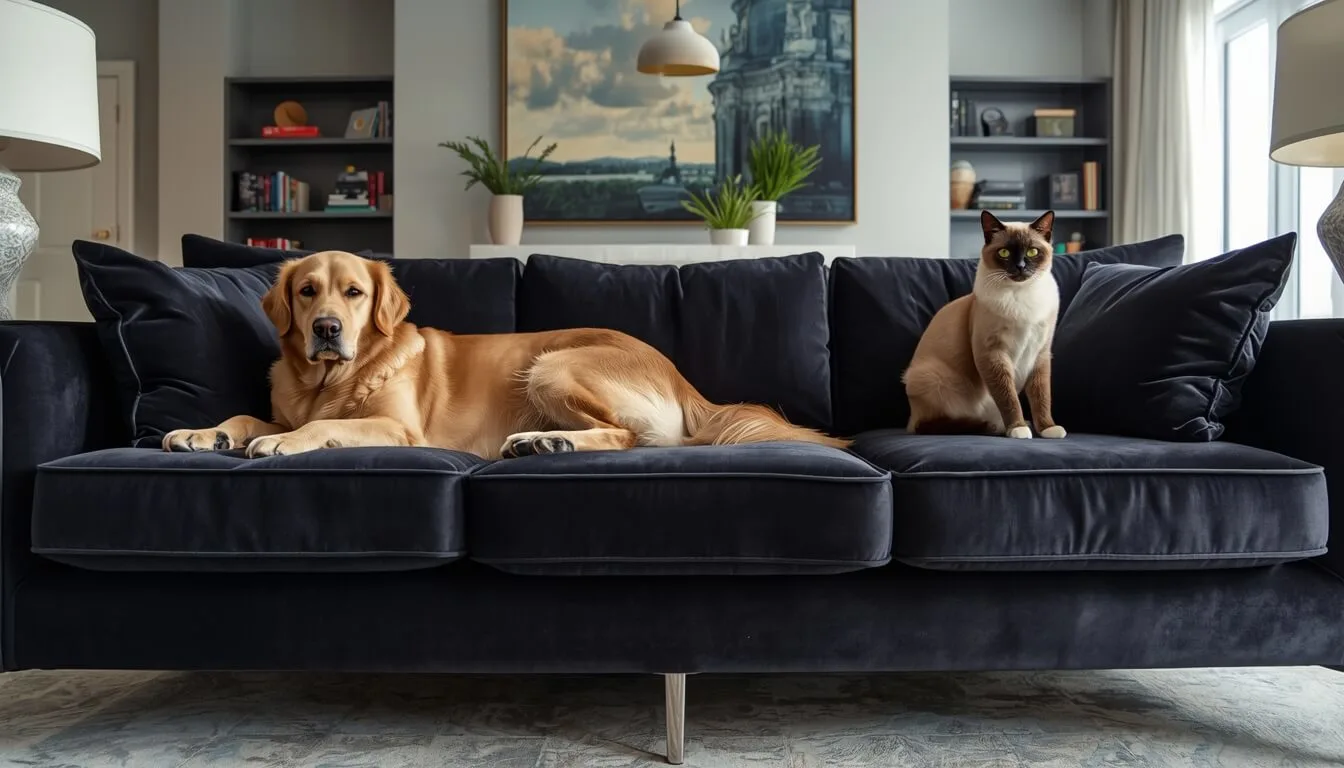

Choosing Pet-Friendly Fabrics for Family Room Furniture: The Ultimate Guide
Walking into your family room should feel like entering a sanctuary, not a battleground. For many households, the sofa is the center of the home. It is where you relax after work, watch movies, and bond with your family. However, if you share your home with four-legged companions, that same sofa can quickly become a magnet for fur, odors, and claw marks. Balancing high-end style with the “occasional chaos” of pets can feel like an impossible task. You need a seating solution that looks professional but behaves like a high-performance shield.
Choosing the right material is a mathematical decision based on durability and maintenance. To ensure your home remains a sanctuary, you must look beyond the color and feel of the fabric. You need to understand the material science that prevents a sofa from becoming a liability. This guide provides a unique breakdown of how to choose upholstery that thrives in active homes. By prioritizing resilience and technical specs, you can enjoy the utmost comfort without the constant fear of permanent damage.
Best Pet Friendly Fabrics for Sofas: The Durability Blueprint
When searching for the best pet friendly fabrics for sofas, durability is the primary metric. In the furniture industry, this is measured by the Martindale rub test. This test simulates years of use by rubbing the fabric repeatedly until it shows wear. For a family room with active pets, you should look for a score of at least 20,000 double rubs. Anything lower will likely fray or thin out within eighteen months of heavy use by a dog or cat. Durable upholstery fabrics for active pets are usually engineered at a molecular level to resist the physical stress of jumping and nesting.
Beyond the rub count, the weave of the fabric is a critical safety factor. Pets have a natural instinct to “knead” or nest before lying down. If you choose a fabric with a loose weave, like linen or chenille, those claws will eventually catch on the threads. Once a single thread is pulled, the structural integrity of the fabric is compromised. To prevent this, professional designers recommend performance fabrics like Crypton. These materials are treated with a permanent finish that prevents moisture and bacteria from entering the core of the fiber. This ensures that your investment stays fresh for a decade rather than just a few seasons.
The final piece of the durability blueprint is the weight of the fabric itself. Heavier fabrics tend to stay in place better and resist the “puddling” effect that occurs when a large dog rests in the same spot daily. Look for materials with a high GSM (grams per square meter) to ensure the sofa retains its shape. A thick, high-density fabric acts as a barrier, protecting the internal foam and frame from the oils and dander that pets naturally produce. This technical approach to selection is the only way to guarantee a long-lasting family room setup.
Furthermore, you must evaluate the “backcoating” of the fabric. High-quality performance upholstery often includes a unique thin latex or acrylic backing. This feature adds dimensional stability, ensuring the fabric doesn’t stretch or sag under the weight of a large dog. It also acts as a secondary barrier against liquid penetration.
When you combine a high rub count with a secure backcoating, you create furniture that survives the “zoomies.” You should also look for “solution-dyed” fibers. In this process, the color is added while the fiber is still in a liquid state. This means the color goes all the way through the thread. Even if a cat managed to graze the surface, the color wouldn’t “nick” off. This ensures that the aesthetic remains consistent for the utmost lifespan of the piece.
Performance Velvet vs Microfiber for Cats: Winning the War on Fur
If you own a cat, your primary concerns are scratching and shedding. The debate between performance velvet vs microfiber for cats usually centers on how the material reacts to sharp claws. Microfiber is a synthetic material made from incredibly fine fibers, often less than 1 denier in thickness. Because these fibers are so tightly packed, there is no “loop” for a cat’s claw to catch on. This makes it a top contender for the best couch material for dog hair and cat fur alike. Fur tends to sit on top of the surface rather than weaving itself into the fabric, allowing for a quick cleanup with a rubber brush.
Performance velvet offers a different but equally effective solution. Unlike traditional velvet, which is often made from delicate silk or cotton, performance velvet is typically 100% polyester. It has a very short pile, which means there are no loose threads for a cat to snag. When a cat tries to scratch performance velvet, their claws usually just slide off the surface. This is a unique advantage for owners of younger, more active cats. Furthermore, velvet is naturally resistant to static. This ensures that pet hair doesn’t “bond” to the sofa, making daily maintenance significantly easier for busy professionals.
What is the most durable fabric for cat scratching?
While nothing is truly “scratch-proof” if a cat is determined, performance velvet and microfiber are the closest the industry has to offer. These materials are essentially “flat,” lacking the texture that cats find satisfying for sharpening their claws. If you provide a designated scratching post nearby, your cat will likely ignore the sofa entirely. This strategy allows you to maintain a high-end aesthetic without resorting to plastic covers or unsightly blankets. Using these materials ensures that your living room remains a place of elegance rather than a collection of damaged goods.
To ensure you are getting true performance microfiber, check the GSM (grams per square meter). For high-traffic family rooms, a GSM of 350 or higher is the professional standard. Anything thinner will lack the “fiber memory” required to bounce back after a pet has been nesting.
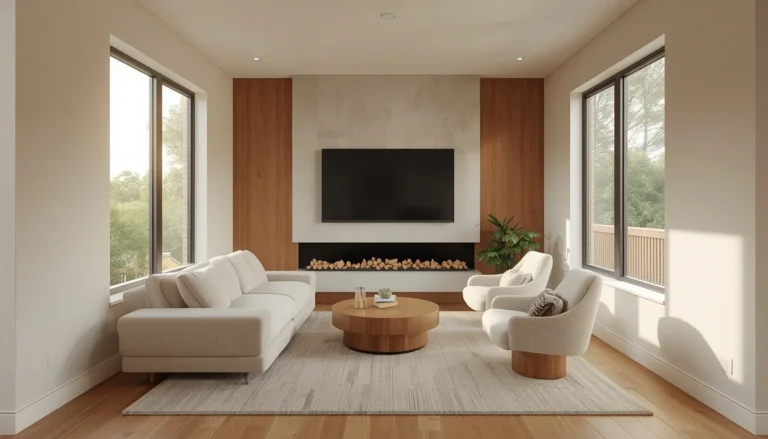
Is there a downside to velvet? Some owners worry about heat. If your seating is positioned near a working hearth, managing ambient heat is even more critical, making it helpful to understand how a small living room layout with TV and fireplace requires protective clearances to keep your electronics and textiles safe. However, modern performance velvet is engineered with “open-cell” structures to allow for better airflow. This ensures your pet doesn’t overheat during long afternoon naps. This technical detail is a unique advantage of synthetic blends over traditional silk velvets, which trap heat and moisture.
Scratch Resistant Leather Couches for Dogs and Tough Love Design
For dog owners, leather is often the gold standard. Scratch resistant leather couches for dogs are preferred because they do not trap hair or odors like fabric does. However, not all leather is created equal. You should strictly avoid “bonded” or “split” leather, as these are made from scraps and will peel under the weight of a dog’s paws. Instead, opt for top-grain or full-grain leather. These hides are thicker and have a natural resilience that allows them to withstand the occasional “zoomie” without tearing.
The beauty of high-quality leather is its ability to develop a patina. In a professional home, a few minor surface scratches on a “pull-up” leather sofa can actually enhance the look, giving it a lived-in, sophisticated feel. To protect your investment, you should apply a high-quality leather conditioner every six months. This keeps the hide supple and prevents it from cracking, which is the most common cause of failure in leather furniture. This level of maintenance is the best way to ensure the utmost longevity for your seating.
How to protect new furniture from pet damage
How do you protect your investment while still enjoying the leather? The answer lies in “strategic layering.” Even with the toughest leather, it is wise to place a stylish, washable throw in the specific spot where your dog prefers to sleep. This protects the leather from the concentrated heat and oils of the dog’s skin. If a scratch does occur, most top-grain leathers can be repaired with a simple buffing cloth and a bit of heat. This makes leather a highly practical and professional choice for households that want to combine luxury with a pet-inclusive lifestyle.
Leather also offers a health benefit for the family. Because it is non-porous, it does not harbor dust mites or pet dander, which are common triggers for allergies. For families with both kids and pets, a leather sofa is a hygienic choice that can be wiped down with a damp cloth in seconds. This ease of cleaning ensures that your family room stays a healthy environment for everyone. By choosing a darker hide, like a rich espresso or a deep cognac, you can easily hide any minor imperfections that occur over years of active use.
If you are choosing between “Aniline” and “Pigmented” leather, the math favors Pigmented for pet owners. Aniline leather is beautiful but lacks a protective topcoat, making it a sponge for liquid accidents. Pigmented leather features a high-performance polymer coating that contains the actual color. This layer provides the utmost resistance to scratches and stains.
You should also consider the “tannage” of the leather. Chrome-tanned hides are typically more supple and resistant to water damage than vegetable-tanned options. This makes them significantly easier to maintain when dealing with wet paws or accidental spills. Choosing the right tanning process is the best way to ensure your leather doesn’t stiffen or crack over time.
Stain Resistant Furniture for Families with Pets: Managing the Mess
Accidents are an inevitable part of living with animals. Stain resistant furniture for families with pets is no longer a luxury; it is a requirement. Modern performance fabrics use “solution-dyed” technology, where the color is added to the liquid polymer before the fiber is even created. This means the color goes all the way through the thread. If you need to clean a tough stain, you can often use a diluted bleach solution without fading the fabric. This provides a level of cleanliness that traditional fabrics simply cannot match.
Best way to clean muddy paw prints off upholstery
When the weather turns, the best way to clean muddy paw prints off upholstery is to exercise patience. If you try to rub wet mud, you will only push the dirt deeper into the weave. Instead, let the mud dry completely until it becomes a crust. Once dry, you can vacuum away the majority of the dirt and use a pH-neutral cleaner to lift the remaining shadow. This “logic-first” approach to cleaning saves the fabric from unnecessary abrasion. It ensures that the protective coatings on your performance fabric remain intact for the life of the sofa.
How to remove pet odors from sofa cushions
Pet odors are another challenge that can ruin the ambiance of a room. How to remove pet odors from sofa cushions? The secret is in the chemistry. Standard air fresheners only mask the smell with perfume. You need an enzymatic cleaner that physically breaks down the proteins in pet saliva or accidents. Many modern sofas now come with “moisture barriers” under the upholstery. This unique feature prevents liquids from soaking into the internal foam, where odors are hardest to remove. This technical barrier is the difference between a sofa that smells like a home and one that smells like a kennel.
To protect your internal cushion foam, you should look for furniture with “interliners.” These are waterproof barriers sewn directly over the foam, underneath the fabric. If a spill occurs, the liquid is trapped in the fabric layer and cannot reach the core. This is a unique structural requirement for any “active” family room.
What about steam cleaning? You must ensure your fabric is rated for heat. Check the “Cleaning Code” on the tag. A “W” code means you can use water-based cleaners and steam. An “S” code means only dry-cleaning solvents are safe. Using a steam cleaner on an “S” rated fabric will cause the fibers to shrink or melt. This level of technical verification is the only way to avoid a costly mistake.
Non-Toxic Furniture Fabrics for Pets and Kids: The Safety Standard
As we spend more time indoors, the chemical makeup of our furniture becomes a health priority. Non-toxic furniture fabrics for pets and kids are essential for preventing “off-gassing” in the home. Many cheaper fabrics are treated with flame retardants or stain-repellents that contain PFAS, also known as “forever chemicals.” These can be harmful if a pet licks the sofa or a child crawls on the cushions. To ensure safety, look for certifications like GREENGUARD Gold or OEKO-TEX Standard 100. These labels guarantee that the material has been tested for over 1,000 harmful substances.
Natural fibers like wool are a unique alternative for those seeking a non-toxic home. Wool is inherently flame-retardant and has a natural coating called lanolin that repels liquids and stains. While it requires more careful vacuuming than microfiber, it is one of the healthiest options for an organic living space. Wool also has a “fiber memory” that helps it bounce back after a heavy pet has been sitting on it, preventing the “sagging” look common in synthetic blends. This makes it a high-end choice for the discerning professional who values both health and aesthetics.
Beyond the fabric, you must investigate the “volatility” of the adhesives used in the sofa frame. To ensure a truly non-toxic environment, ask for “formaldehyde-free” certifications. Pets spend significantly more time with their noses pressed against furniture than humans do. This makes them more susceptible to the effects of off-gassing.
Choosing a sofa with a “kiln-dried” hardwood frame also reduces the need for chemical preservatives. This traditional manufacturing method uses heat to remove moisture and kill pests, rather than industrial pesticides. To see how these safe furniture choices blend into a complete room strategy, you can review this comprehensive living room decorating guide to properly map out your walkways, rug anchors, and lighting layers. By prioritizing these invisible technical details, you provide the utmost safety for your kids and pets. This holistic approach is what separates a designer-quality home from a standard furniture showroom.
Creating a pet-friendly family room doesn’t mean you have to sacrifice your personal style. By understanding the math behind rub counts, weave density, and chemical safety, you can make an informed decision. The goal is to create a space where you don’t have to choose between your pets and your furniture. With the right performance materials, your sofa can handle the daily rigors of family life while remaining a beautiful centerpiece. Taking the time to select the right fabric now will provide the utmost peace of mind for years to come.
FREQUENTLY ASKED QUESTIONS
Performance velvet and microfiber are the only technical winners because they lack the “looped” weave that cats find satisfying to pull. Without a physical loop to catch, claws simply slide off the surface. To ensure the utmost protection, strictly choose synthetic polyester blends with a GSM above 350 to prevent structural thinning.
Masking smells with perfume is a waste of time. You must use an enzymatic cleaner to physically dismantle the protein chains found in pet accidents. For a permanent solution, ensure your sofa utilizes a non-porous moisture barrier interliner; this unique layer stops liquids from soaking into the foam core where bacteria thrive.
Only top-grain pigmented leathers are technically scratch-resistant. These hides are treated with a high-performance polymer shield that resists punctures. Avoid “Aniline” or “Bonded” leathers, which are too porous and will peel or stain. A pigmented hide is the unique way to ensure your furniture develops a professional patina rather than a shredded mess.
The mathematical rule for mud is: wait for it to dry. Attempting to scrub wet mud forces silt particles into the core of the fiber, causing permanent “shadowing.” Once the mud becomes a dry crust, vacuum it away and use a pH-neutral cleaner to lift the remaining residue without stripping the fabric’s factory-applied protective coatings.
Don’t trust marketing claims; check the certifications. Look strictly for OEKO-TEX Standard 100 or GREENGUARD Gold labels. These ensure the material is free from “forever chemicals” (PFAS) and harmful VOCs that off-gas into your home. Prioritizing certified materials is the only way to ensure the utmost safety for pets that interact with furniture surfaces daily.