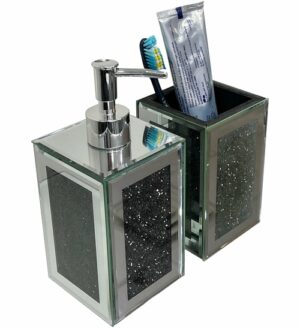
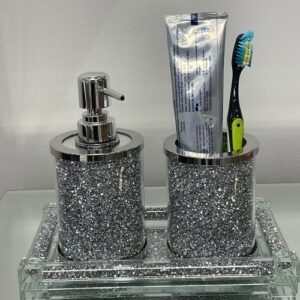
A soap dispenser is the most frequently touched object in your bathroom. Every time you walk to the sink, you interact with it. Yet, most people treat it like a temporary utility. They leave the original plastic bottle from the grocery store sitting on the edge of the porcelain, covered in peeling labels and sticky residue. If you want a bathroom that feels like a sanctuary, this is the first habit you have to break.
Does your sink area feel cluttered and cheap? Or does it have a unique visual anchor that feels intentional? To ensure your vanity reflects a high-end aesthetic, you need to stop buying soap and start buying a vessel. Here is how you select a soap dispenser that provides the utmost style while standing up to the reality of a high-moisture environment.
The material of your dispenser dictates the entire vibe of the sink. In 2026, we are seeing a massive shift toward natural, heavy materials. Glass, ceramic, and stone are the leaders. Why? Because weight equals quality. A heavy stone dispenser won’t slide around when you press the pump with one hand. It feels permanent.
Think about a matte ceramic dispenser in a soft charcoal or a ribbed glass bottle that catches the light. These materials provide a “not-staged to death” texture that softens the cold, hard surfaces of your countertop. When you choose a material with soul, you turn a mundane task into a “Sunday reset energy” moment.
The Pump Mechanism: The Jewelry of the Vessel
The pump is the only moving part of the dispenser, and it’s where most people go wrong. Cheap plastic pumps break, clog, and look flimsy. If you want a look that is curated, you have to look at the metal finishes.
Brushed brass, matte black, and stainless steel are the current heavy hitters. The pump should ideally match the finish of your faucet. This builds a visual thread that connects the accessories to the plumbing. It’s a “not try-hard” detail that makes the whole bathroom feel custom. It ensure that the dispenser doesn’t look like an afterthought but like a deliberate piece of the room’s jewelry.
Zoning with Trays: The Island of Order
A lone soap dispenser sitting on a vast countertop can look a bit lost. It needs a home. By placing your dispenser on a small marble or wooden tray, you create a “zone.” This is a key strategy for maintaining a clean, architectural look.
The tray acts as a frame. It catches drips and keeps the soap residue off your stone counters. It also provides a place to put a small candle or a single air plant. This grouping turns a utility item into a decor collection. It creates that “deep exhale” feeling because the eye sees order instead of a random bottle sitting in a puddle of water.
Wall-Mounted Dispensers: The Minimalist Move
If you have a tiny vanity with zero counter space, don’t crowd it. Wall-mounted soap dispensers are a pro move that reclaim your real estate. In the past, these looked like they belonged in a public restroom. That is no longer the case.
Modern wall-mounted units are architectural and sleek. They often feature glass canisters and heavy metal brackets. By lifting the soap off the counter, you make the sink area easier to clean and much more open. It’s a unique way to add functionality without clutter. It provides the utmost level of minimalism for those who want a “cleared-desk” vibe in their bathroom.
Refill Strategy: The Eco-Aesthetic
Choosing a high-quality dispenser isn’t just about looks; it’s about the refill routine. Buying soap in bulk and refilling a beautiful glass vessel is better for your wallet and the planet. But more importantly, it lets you control the aesthetic of the liquid itself.
You don’t want a beautiful clear glass dispenser filled with neon-blue soap. That’s a design killer. Look for soaps that are clear or have natural, creamy tones. This ensures that the contents of the bottle support your color palette rather than fighting it. It’s about the “unfluffed” reality of making a space look good from the inside out.
Texture and Geometry
In a room full of smooth tile and flat mirrors, your soap dispenser is a chance to play with shape. An organic, hand-thrown ceramic bottle adds a human touch. A geometric, fluted glass dispenser adds a bit of Art Deco flair.
Don’t be afraid to mix and match. If your bathroom is very modern and sharp, a round, soft-textured soap dispenser can break up the lines. It makes the room feel more welcoming and less like a showroom. The goal is a space that feels lived-in but perfectly curated.
Final Thoughts on Durability
A bathroom is a high-traffic, high-moisture zone. Your dispenser needs to be easy to wipe down and resistant to rust. Avoid cheap plated metals that will flake off after three months of use. Invest in solid materials that can handle the humidity.
Your sink is the most used part of your home. By choosing a soap dispenser that offers both weight and style, you ground the entire vanity. It’s a small detail that does the heavy lifting for your design. Stop settling for the plastic bottle. Build a space that actually makes you feel good every time you wash your hands.
Frequently Asked Questions
What is the best material for a bathroom soap dispenser?
Ceramic and heavy-duty glass are the best choices for daily use. They offer the weight needed to stay in place while being easy to sanitize. Avoid thin plastic or porous woods that aren’t properly sealed, as they can warp or collect bacteria in a humid bathroom environment.
How do I prevent my metal soap pump from rusting?
To achieve the utmost longevity, choose pumps made from stainless steel or high-quality coated brass. Always wipe away excess soap from the nozzle after use, as the chemicals in some soaps can eventually wear down the finish. A quick weekly wipe with a damp cloth will ensure it stays looking new.
Should my soap dispenser match my bathroom faucet?
It doesn’t have to be an exact match, but sharing a finish is a unique way to make the room feel cohesive. If you have matte black faucets, a soap dispenser with a matte black pump builds a visual rhythm that feels intentional and professional rather than mismatched.
Is it better to have a freestanding or wall-mounted dispenser?
It depends on your counter space. If you have a large vanity, a freestanding dispenser on a tray looks anchored and traditional. If you are working with a small pedestal sink, a wall-mounted unit is a “not try-hard” way to reclaim space and keep your sink area uncluttered.
How do I keep my glass soap dispenser from sliding around?
Use a tray or a dispenser with a weighted base. Many high-end glass and stone dispensers feature a silicone ring on the bottom to provide the utmost grip on wet tile or marble. This prevents the bottle from tipping over and ensures your vanity stays scratch-free.