

Bathroom Storage Solutions
If you are currently tripping over a pile of damp towels or digging through a drawer of tangled hair ties just to find your toothpaste, your bathroom is failing you. We often think of storage as a secondary concern—something to figure out after the tile is laid and the tub is in. But in a room that is usually the smallest in the house, storage is the backbone of the entire design. Without it, even the most expensive marble vanity will eventually look like a disaster zone.
Does your bathroom feel like a game of Tetris where you’re always losing? It shouldn’t. To ensure your space remains a retreat, you need to think beyond the standard cabinet under the sink. You need a unique strategy that balances hidden utility with open, aesthetic displays. Here is how you achieve the utmost organization without making your bathroom look like a locker room.
Showing all 6 results
-
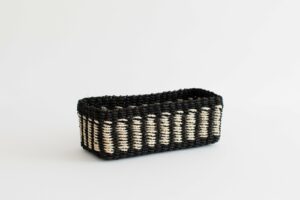
Black and White Seagrass Storage Woven Tray | Decorative Organizer
$72.44 -
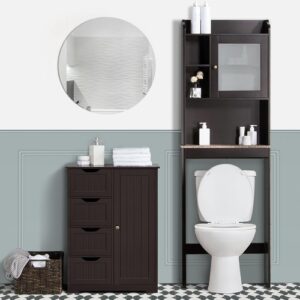
Brown Wooden Bathroom Cabinet with 4 Drawers Cupboard
$145.68 -
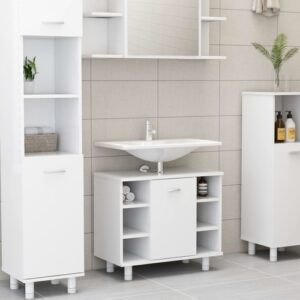
Compact White Bathroom Cabinet with Door and Compartments
Price range: $161.18 through $179.63Select options This product has multiple variants. The options may be chosen on the product page -
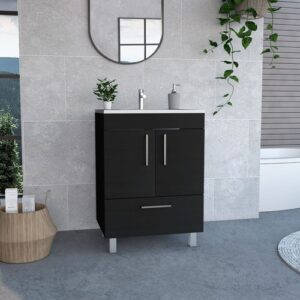
Modern Black Bathroom Vanity with Double Doors and Drawer
$383.18 -
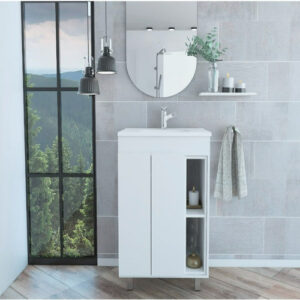
Modern White Vanity Cabinet with Double Doors and Open Shelves
$276.66 -
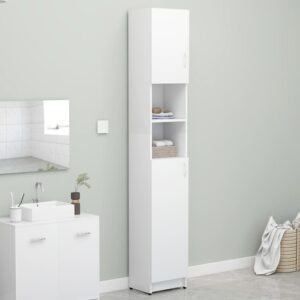
Tall White Bathroom Cabinet with Shelves and Doors
Price range: $340.85 through $605.73Select options This product has multiple variants. The options may be chosen on the product page
The Vertical Pivot: Reclaiming the Walls
Most people make the mistake of only looking at floor-level storage. In a small bathroom, that’s a waste of prime real estate. Vertical storage is the secret weapon of the design-savvy curator. By moving your storage upward, you keep the floor clear, which instantly makes the room feel larger and less “staged to death.”
Think about floating wooden shelves above the toilet or slim, architectural wall cabinets that reach toward the ceiling. These aren’t just for holding extra toilet paper. They are opportunities to display your best-looking bottles and a few pieces of greenery. When you use your walls effectively, the storage becomes part of the decor rather than a bulky necessity.
The Art of the Hidden: Vanity Internalization
Your vanity is likely doing a lot of heavy lifting, but is it doing it efficiently? A big, open cabinet under the sink is often just a graveyard for half-used cleaning supplies and old shampoo. To fix this, you need to focus on internalization.
Drawers are almost always superior to doors in a bathroom. They allow you to see everything at once rather than kneeling on the floor to find a spare razor. Use adjustable dividers to create zones for your skincare, dental care, and hair tools. It’s about building a “Sunday reset energy” into your daily routine. When everything has a designated home, the clutter simply doesn’t happen.
Recessed Storage: The Seamless Move
If you are starting a renovation, recessed storage is the ultimate pro move. By carving out niches in the shower or between the wall studs behind your mirror, you gain storage without taking up a single inch of floor space. It feels architectural. It feels like the room was built with your life in mind.
A recessed medicine cabinet with a mirror door is the classic example, but modern versions are much sleeker. Look for “not try-hard” designs that sit flush with the wall. These hidden compartments ensure your daily essentials are exactly where you need them, but completely out of sight when you want to decompress.
Open Shelving: The Curated Balance
There is a common fear that open shelving leads to mess. That’s only true if you use it for the “boring stuff.” The key to unique open storage is curation. Use these spaces for items that have visual weight and soul—plush, rolled towels, glass jars filled with bath salts, or a ceramic tray for your favorite perfume.
For the items that aren’t pretty, use textured baskets. Woven seagrass or dark wicker containers add a layer of natural material to the room while hiding the plastic tubes and wires. This creates a balanced aesthetic that feels professional yet welcoming. You get the easy access of open shelving with the clean look of a hidden cabinet.
Over-the-Door and Corner Hacks
In truly tiny bathrooms, you have to get creative with the “dead zones.” The space behind your door or the empty corners are often overlooked. A sleek, black metal over-the-door rack can hold four extra towels without cluttering your wall space.
Similarly, corner shelving units can turn an awkward angle into a functional zone. These pieces should be minimal and architectural. Avoid the cheap, plastic tension poles. Instead, opt for glass or metal tiers that feel like a deliberate part of the room’s jewelry. It’s about maximizing every square inch to provide the utmost utility.
Maintaining the Flow
Great storage isn’t just about where you put things; it’s about how you use the space. A bathroom that is “not-staged to death” is one where the flow is intuitive. Your towels should be within arm’s reach of the shower. Your skincare should be right at eye level near the mirror.
When your storage solutions match the way you actually live, the room feels like a “deep exhale.” You stop fighting the space and start enjoying it. Your bathroom is a reflection of how you treat your time. Make sure you build an environment that supports you from the moment you wake up.
Frequently Asked Questions
What is the best storage solution for a very small bathroom? Go vertical. When floor space is limited, use floating shelves or tall, slim wall cabinets. Reclaiming the space above the toilet or vanity ensure you have plenty of room for essentials without making the floor feel cramped.
Are drawers better than cabinets in a bathroom vanity? Almost always. Drawers allow you to see and reach everything without digging through the back of a dark cabinet. Using internal dividers within those drawers is a unique way to keep small items like cosmetics and hair tools perfectly organized.
How can I hide ugly bathroom essentials in plain sight? The secret is layering with textured containers. Use woven baskets, smoked glass jars, or ceramic canisters to house things like cotton balls and extra toiletries. It adds the utmost level of style to your storage while keeping the “boring stuff” out of the visual narrative.
What is recessed storage and why should I use it? Recessed storage involves building niches or cabinets directly into the wall between the studs. It’s a pro move because it provides storage without taking up any physical space in the room, creating a seamless, architectural look that feels curated and high-end.
How do I keep my open shelving from looking cluttered? Follow the “one for them, one for me” rule. Use half of the shelf for aesthetic items like plush towels or plants, and use the other half for functional items hidden in decorative baskets. This creates a “not try-hard” balance that feels both lived-in and professional.