Your bathroom shouldn’t just be a utility closet with a shower head. It is the one room in the house where you start your day and, more importantly, where you decompress before it ends. If your current setup feels more like a cold locker than a sanctuary, it’s time for a reset. Decorating a bathroom is about more than just matching your towels to your bath mat. It’s about building an atmosphere that feels like a deep exhale.
Does your space currently reflect that? Or is it a sea of plastic bottles and mismatched hardware? To ensure your bathroom feels intentional, you need to treat it with the same design respect as your living room. Here is how you create a unique environment that balances high-end aesthetics with the reality of daily life.
Every great bathroom starts with a color story that doesn’t feel forced. In 2026, we are moving away from the “staged to death” all-white aesthetic. It’s too clinical. Instead, we are seeing a shift toward “warm minimalism.” Think of tones that feel grounded—terracotta, deep moss, or even a moody charcoal. These colors provide a backdrop that allows your fixtures to actually pop rather than disappear.
Why does color matter so much here? Because the bathroom is often the smallest room in the house. A cohesive palette prevents the space from feeling cluttered. When you use shades that flow naturally into one another, you create a visual rhythm. It’s not just a room; it’s a mood.
Lighting: Beyond the Vanity Bar
Stop relying on that single, harsh overhead light. It’s doing a lot of heavy lifting, and frankly, it’s failing. To achieve the utmost level of comfort, you need layered lighting. Think of it as the difference between a high-end spa and a gas station restroom. You want options.
Start with your task lighting around the mirror. It should be soft and eye-level to prevent weird shadows while you’re getting ready. But don’t stop there. Adding a small, architectural lamp on a shelf or a dimmable pendant over the tub changes everything. It’s all about that glow. When the sun goes down, your bathroom should transform into a low-light retreat.
Hardware and Fixtures: The Room’s Jewelry
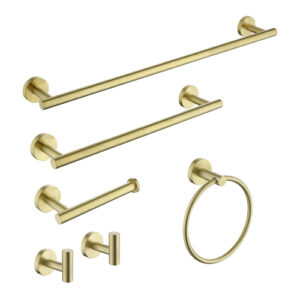
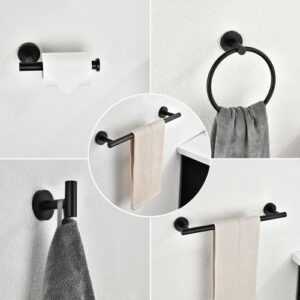
If your faucet looks like it hasn’t been updated since the 90s, no amount of expensive soap is going to save the vibe. Fixtures are the jewelry of the bathroom. They are small details that provide a massive ROI on style. Brushed brass, matte black, or even aged bronze are the current heavy hitters.
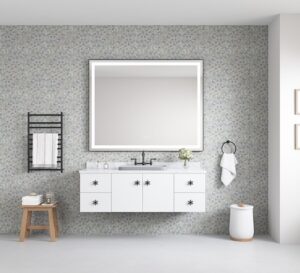
Mixing metals is also a pro move, provided you do it with intent. You might have a black framed mirror paired with brass sconces. This creates a look that is curated, not “ordered from a catalog.” It feels lived-in. It feels like you actually put thought into the “why” behind your choices.
Storage as Decor: The Art of the Hide
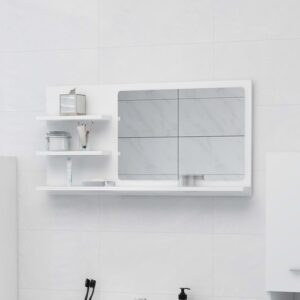
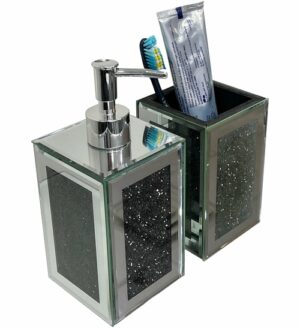
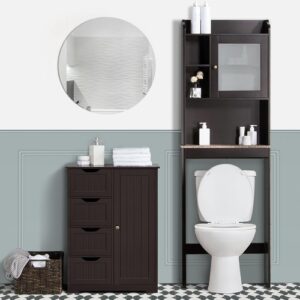
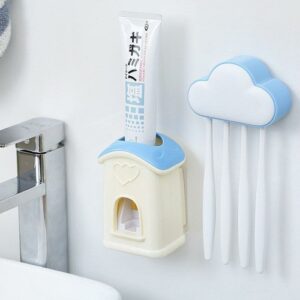
Let’s be real: bathrooms are full of stuff you don’t want to look at. Toothpaste tubes and extra toilet paper aren’t exactly “statement pieces.” The key to a unique bathroom is turning your storage into part of the decor. Floating wooden shelves aren’t just for holding plants; they are for displaying your most aesthetic bottles.
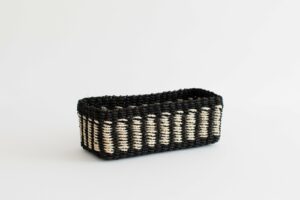
For the items that aren’t pretty? Hide them in plain sight. Use textured baskets or smoked glass jars. This keeps the clutter at bay while adding layers of material interest to the room. A bathroom that is “not try-hard” is one where everything has a home, but nothing feels “not-staged to death.”
Textile Strategy: Texture Over Pattern
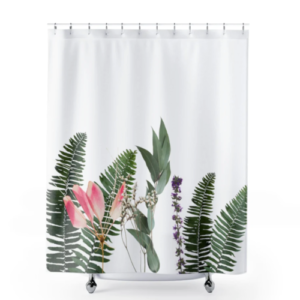
When it comes to towels and mats, stop chasing loud patterns. They age quickly and often clash with the rest of the room. Instead, focus on texture. A waffle-weave towel in a muted clay tone feels significantly more expensive than a bright floral print.
Your bath mat should also be a deliberate choice. A plush, high-pile rug can make a cold tile floor feel warm and inviting. It’s about the sensory experience. When you step out of the shower, that first point of contact should feel like a “Sunday reset energy.”
The Final Layer: Greenery and Soul
A bathroom without a plant is a missed opportunity. Plants thrive in the humidity and add a literal “breath of life” to the hard surfaces of a bathroom. A trailing pothos on a high shelf or a sturdy snake plant in a corner can soften the sharp lines of your vanity and tub.
Does this mean you need a jungle? No. One or two well-placed plants are enough to ensure the space feels vibrant. It’s the final layer that bridges the gap between a room that is “functional” and a room that has a soul. Your bathroom is a reflection of how you treat yourself. Make sure it’s a space worth spending time in.
Frequently Asked Questions
What is the best way to start decorating a small bathroom? Focus on your vertical space and lighting first. In a small area, a large, thin-framed mirror can double the visual depth of the room. Pair this with a few high-quality, textured storage baskets to clear the counter clutter. It’s about making the room feel intentional rather than cramped.
How can I make my bathroom feel more like a spa? It’s all about sensory layering. Switch out your standard shower head for a rain-style fixture and invest in heavy, waffle-weave towels in earthy tones. Adding a dimmable light switch and a few humidity-loving plants, like a Boston Fern, creates that “deep exhale” environment you find in luxury retreats.
Can I mix different metal finishes in one bathroom? Absolutely, and you should if you want a curated look. The key is to have a primary metal, like matte black for the larger fixtures, and an accent metal, like brushed brass for the hardware or sconces. This prevents the room from looking like a pre-packaged showroom set.
Which plants thrive best in high-humidity bathrooms? You want “survivors” that love moisture and can handle lower light levels. Snake plants and Pothos are the gold standard because they are nearly impossible to kill. If you have a window with decent light, an orchid or a Peace Lily adds a sophisticated, architectural touch to the vanity.
How often should I update my bathroom decor? You don’t need a full renovation every year. A “style reset” every 18 to 24 months is usually enough to keep the space feeling fresh. Small swaps—like new hardware, a different bath rug, or updated artwork—are the heavy lifters that keep your sanctuary from feeling dated.