

Shower Curtain
A shower curtain is the single largest piece of “fabric real estate” in your bathroom. If you treat it as just a plastic barrier to keep water off the floor, you are wasting the room’s biggest design opportunity. In most bathrooms, the shower curtain is the first thing your eyes hit when you walk through the door. It sets the tone for everything else.
Does your current curtain look like a flimsy afterthought? Or does it command the room? To ensure your bathroom feels like a high-end sanctuary, you need to stop thinking about “liners” and start thinking about “drapery.” Here is how you create a unique look that provides the utmost style while keeping your bathroom functional.
Showing all 3 results
-
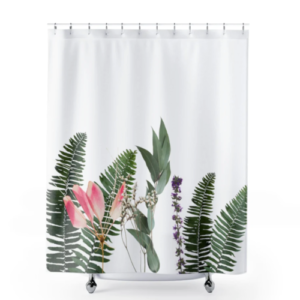
Assorted Floral Shower Curtains
$92.77 -
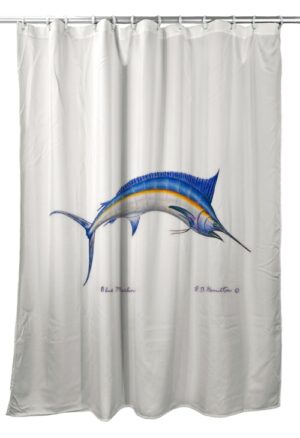
Decoriax Blue Marlin Shower Curtain – Coastal Theme (70″ x 72″)
$95.00 -
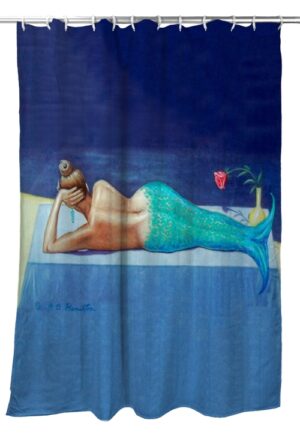
Mermaid Coastal Shower Curtain
$106.00
The Fabric Pivot: Elevating the Aesthetic
Most people default to cheap vinyl because it’s easy. But vinyl is clinical. It’s “staged to death” in a way that feels cold and loud. If you want a bathroom that feels like a “deep exhale,” you have to move toward fabric.
Heavyweight cotton, linen blends, or waffle-weave polyesters are the current heavy hitters. These materials have “soul.” They drape naturally. They soften the hard lines of your tile and porcelain. When you pull a heavy fabric curtain closed, it creates a visual wall of texture that instantly makes the space feel more like a room and less like a utility closet.
The Height Hack: Going High and Wide
If you are hanging your shower curtain rod just above the shower head, you are cutting your room in half. It’s a classic mistake. To make a small bathroom feel like a grand spa, you need to “hang it high.”
By placing your rod closer to the ceiling, you draw the eye upward. It creates the illusion of height. It makes the room feel architectural rather than cramped. This simple strategy does the heavy lifting for your design, turning a standard tub into a dramatic focal point. It’s a “not try-hard” move that yields massive visual ROI.
Texture Over Pattern: The Curated Look
In 2026, we are moving away from loud, busy prints on shower curtains. They age quickly and often clash with your towels. Instead, focus on material interest. A tonal waffle-weave or a curtain with a subtle slub texture provides a “unique” depth without overwhelming the senses.
Why does texture win? Because it feels more expensive. A solid-colored curtain in a moody charcoal or a warm terracotta, made from a high-quality fabric, looks curated. It feels intentional. It gives you that “Sunday reset energy” every time you walk in, rather than feeling like you’re looking at a piece of wall art that’s trying too hard.
The Liner Strategy: The Hidden Hero
Choosing a fabric curtain doesn’t mean you have to deal with moldy fabric. The secret is the “double curtain” method. You have your aesthetic fabric curtain on the outside and a high-quality, weighted liner on the inside.
To achieve the utmost longevity, look for fabric liners that are water-repellent and machine-washable. Avoid the thin plastic ones that billow and stick to your legs while you shower. A weighted fabric liner stays in place and ensures that your beautiful outer curtain stays dry and pristine. It’s the invisible layer that makes the whole system work.
Hardware: The Room’s Jewelry
Don’t overlook the hooks and the rod. If you are using cheap plastic rings, you are sabotaging your design. Hardware is the jewelry of the shower. It should match the rest of your bathroom fixtures—whether that’s matte black, brushed brass, or aged bronze.
Think about using “roller-ball” rings. They glide smoothly across the rod and prevent that annoying “snagging” feeling. An architectural rod, especially a curved one, adds a bit of extra elbow room in the shower while making the whole setup look custom. It’s about the details that make the room feel “not-staged to death” but truly designed.
Maintaining the Vibe
A shower curtain is a high-use item, so it needs to be easy to care for. Fabric curtains should be tossed in the wash once a month to keep them fresh. When you get out of the shower, always pull the curtain closed. This allows it to dry properly and prevents moisture from getting trapped in the folds.
Your bathroom is your personal retreat. The shower curtain is the anchor of that space. By choosing a piece that offers both texture and height, you turn a functional necessity into a statement of intent. Stop settling for the boring stuff. Build a bathroom that actually feels like home.
Frequently Asked Questions
What is the best fabric for a high-quality shower curtain?
Linen and heavy-weight cotton blends are the best choices for a sophisticated look. These materials drape beautifully and add a layer of natural texture that vinyl simply can’t match. Pair them with a water-repellent liner to ensure the fabric stays dry and lasts for years.
How high should I hang my shower curtain rod?
To make your bathroom feel taller and more spacious, hang the rod as close to the ceiling as possible. This “high-and-wide” strategy is a unique way to add architectural drama to a standard tub. It draws the eye upward and prevents the room from feeling cut in half.
Should my shower curtain match my towels?
They don’t need to be identical, but they should share a color story. If you have a textured, tonal curtain, you can use towels in a slightly different shade of the same color. This creates a curated, layered look that feels “not-staged to death” but still very cohesive.
How do I keep my fabric shower curtain from getting moldy?
The key is the double-curtain method. Use an inner liner to keep the water inside the tub and an outer fabric curtain for decor. Always pull the curtain closed after your shower to ensure proper airflow and drying, which provides the utmost protection against mildew.
Are curved shower rods better than straight ones?
Curved rods are a great functional upgrade because they provide extra elbow room inside the shower. From a design perspective, they also add a soft, architectural curve to the room that can break up the sharp lines of your vanity and tile, making the space feel more welcoming.