

Soap Holder
If you are still letting your expensive bar soap sit in a puddle of gray water on the edge of your sink, you are doing it wrong. We often spend a lot of money on artisan soaps with natural oils and essential scents, only to watch them melt into a slimy mess within a week. A soap holder isn’t just a place to park your bar. It is a drainage engine and a visual anchor for your vanity.
Does your sink area look like a neglected locker room? It shouldn’t. To ensure your soap stays firm and your bathroom looks curated, you need a unique solution that handles moisture with the utmost efficiency. Here is how you choose a soap holder that actually does its job while elevating your design game.
Showing all 3 results
-
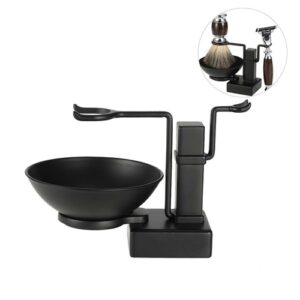
2 In 1 Shaving Holder Set Alloy Shaving Stand Soap Bowl
$38.15 -
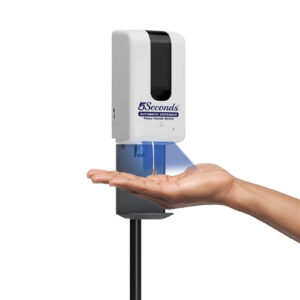
Automatic Soap Dispenser with Floor Stand – Touch-Free, 1000ml
Price range: $65.70 through $73.95Select options This product has multiple variants. The options may be chosen on the product page -
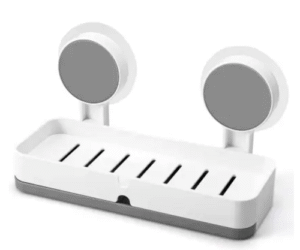
Non-Drill Wall Mount Soap Holder for Bathroom | Magic Sticker, Self-Draining
$130.09
The Drainage Mandate: Slats and Slopes
The biggest enemy of a bar of soap is standing water. If your soap holder is just a flat dish, it’s a failure. You need a vessel that breathes. Modern design-savvy curators look for holders with deep slats or a self-draining slope that funnels water directly back into the sink.
Think about a minimalist wooden rack made of teak or bamboo. The gaps between the wood allow air to circulate around the entire bar. This dries the soap quickly from all sides. It prevents that “mushy bottom” syndrome and ensures your soap lasts twice as long. It’s a functional move that feels organic and “not try-hard.”
Material Science: Grounding the Vanity
Your soap holder is a chance to introduce a new material into your bathroom. If your room is full of white porcelain and chrome, a soap holder made of dark basalt, concrete, or matte ceramic can ground the space. It adds a bit of “soul” to an otherwise clinical environment.
Concrete is particularly popular in 2026. It has an architectural weight that prevents it from sliding around the counter. It feels permanent. Similarly, a soap holder carved from a single block of marble adds a layer of luxury that is subtle rather than flashy. When you choose materials with high visual weight, you create that “Sunday reset energy” every time you reach for the bar.
Wall-Mounted vs. Freestanding
Where you put your soap holder depends on your “dwell time” habits. If you have a large double vanity, a freestanding stone holder on a small tray is the classic move. It anchors the sink and gives you a place to group your other essentials.
However, if your counter space is at a premium, wall-mounted holders are the ultimate pro move. Modern wall units are no longer the clunky, chrome baskets of the nineties. They are sleek, floating platforms that attach with hidden hardware. This keeps your counters clear and makes cleaning a breeze. It’s a unique way to maintain a “cleared-desk” vibe in a small bathroom.
The Shower Niche: Integrated Utility
Storage in the shower is usually a disaster. Suction cup baskets are a design crime—they fall off, they rust, and they look temporary. If you are renovating, a built-in shower niche is the only way to go. But if you aren’t doing a full teardown, you need a high-quality soap holder designed specifically for high-impact water zones.
Look for matte black aluminum or solid brass holders that are open at the bottom. These materials won’t corrode, and the open design prevents soap scum from building up. It’s about building a space that feels like a “deep exhale” because everything is exactly where it needs to be, and it all looks intentional.
Aesthetics of the Bar: The Unfluffed Reality
A beautiful soap holder deserves a beautiful bar of soap. This is the “secret sauce” of a curated bathroom. If you put a neon-colored, plastic-wrapped supermarket bar in a hand-carved stone holder, you’ve missed the point.
Opt for cold-processed bars with rough-cut edges and natural tones. The texture of the soap should complement the texture of the holder. A charcoal-infused black soap bar on a light gray concrete holder is a visual win. It feels professional. It feels like a space that was designed, not just “staged to death.” It provides the utmost level of sensory satisfaction.
Geometry and Flow
In a room that is often very “square,” a round soap holder can soften the lines of the vanity. On the flip side, if you want a sharp, modern look, go with a rectangular holder with 90-degree angles. This geometry should speak to the rest of your hardware.
If your faucets have curved necks, go with round accessories. If your faucets are square and industrial, stick to linear holders. This builds a rhythmic flow that the eye picks up on instantly. It’s a “not-staged to death” way of making the room feel cohesive without buying a matching set from a big-box store.
Final Thoughts on Longevity
A bathroom is a brutal environment for accessories. Humidity and constant water contact will destroy cheap materials. To ensure your soap holder stays looking new, avoid plated metals that will eventually flake. Invest in solid stone, high-fired ceramic, or stainless steel.
Your bathroom is the first place you go in the morning. It should be a place that supports your routine with style and logic. By choosing a soap holder that drains properly and adds a unique texture to your vanity, you ground the entire space. Stop letting your soap melt away. Build a sink area that actually works for your life.
Frequently Asked Questions
How do I keep my soap from getting mushy in a holder?
Airflow is the only solution. You must choose a soap holder with drainage holes or slats that allow the bar to dry completely between uses. This ensures that water doesn’t pool at the bottom, which is the primary cause of soap melting into a mess.
What is the best material for a soap holder?
Concrete, stone, and high-quality wood like teak are excellent choices. These materials offer the utmost durability in a wet environment. Concrete and stone provide a heavy, architectural weight that stays in place, while teak naturally resists water damage and rot.
Should I use a wall-mounted or a countertop soap holder?
If you have a small sink or a pedestal vanity, go with a wall-mounted holder to save space. If you have a larger countertop, a freestanding holder can act as a unique visual anchor. Countertop holders are also easier to move when you want to change your bathroom’s layout.
How often should I clean my soap holder?
You should give it a quick rinse once a week. Soap residue can build up over time and clog the drainage slats. A simple wipe with a damp cloth will ensure the drainage remains clear and the material continues to look its best without any “try-hard” maintenance routine.
Are wooden soap holders actually waterproof?
Not all of them, but holders made from teak or bamboo are naturally water-resistant. These woods have oils that prevent them from soaking up moisture. Using a wooden holder adds a “Sunday reset energy” to your bathroom by introducing a natural, warm texture to the space.